
If you've struggled with anxiety, you've likely heard of benzodiazepines—medications like Xanax, Ativan, or Valium that promise quick relief. While these medications can be effective for short-term use, their potential for dependency, tolerance, and withdrawal has led many patients and providers to seek safer, more sustainable alternatives. The good news? Modern medicine offers numerous evidence-based approaches that can help you manage anxiety effectively without the risks associated with benzodiazepines.
This shift in treatment philosophy isn't about dismissing medication entirely—it's about finding strategies that address the root causes of anxiety while building long-term resilience. Whether you're looking to avoid benzodiazepines altogether or transition away from them under medical supervision, understanding your options is the first step toward lasting relief.
Understanding the Limitations of Benzodiazepines
Benzodiazepines work by enhancing the effects of GABA, a neurotransmitter that reduces brain activity and promotes relaxation. They're fast-acting and can provide immediate relief during acute anxiety episodes. However, their effectiveness comes with significant drawbacks that have made them less favorable for long-term anxiety management.
The brain quickly develops tolerance to benzodiazepines, meaning you need increasingly higher doses to achieve the same effect. Physical dependence can develop within weeks, and discontinuation often triggers withdrawal symptoms that can be more severe than the original anxiety. Additionally, these medications can impair memory, coordination, and cognitive function, particularly in older adults.
Perhaps most importantly, benzodiazepines don't address the underlying causes of anxiety—they simply mask symptoms temporarily. This is why modern treatment approaches focus on building skills and creating physiological changes that provide lasting relief.
First-Line Medication Alternatives
When medication is appropriate for anxiety management, several classes of drugs have proven safer and more effective for long-term use than benzodiazepines.
SSRIs and SNRIs (selective serotonin reuptake inhibitors and serotonin-norepinephrine reuptake inhibitors) are considered first-line pharmacological treatments for most anxiety disorders. Medications like sertraline, escitalopram, and venlafaxine work by gradually adjusting neurotransmitter levels in the brain. While they take several weeks to reach full effectiveness, they don't carry the same risks of dependence or cognitive impairment as benzodiazepines.
Buspirone is an anti-anxiety medication that affects serotonin and dopamine receptors without the sedative effects or addiction potential of benzodiazepines. It's particularly useful for generalized anxiety disorder and can be taken long-term.
Hydroxyzine, an antihistamine with anti-anxiety properties, provides fast-acting relief for acute anxiety without the dependency risks. It can be used as needed rather than daily, making it a useful bridge medication while other treatments take effect.
Beta-blockers like propranolol can effectively manage the physical symptoms of anxiety—rapid heartbeat, trembling, sweating—particularly in performance or social anxiety situations. They work on the body's stress response rather than the brain directly.
"The most effective anxiety treatment isn't about finding the fastest relief—it's about building lasting resilience that allows you to face life's challenges without being overwhelmed."
Evidence-Based Psychotherapy Approaches
Research consistently shows that psychotherapy, particularly cognitive-behavioral approaches, can be as effective as medication for anxiety—with benefits that last long after treatment ends.
Cognitive Behavioral Therapy (CBT) is the gold standard for anxiety treatment. CBT helps you identify and challenge the thought patterns that fuel anxiety, while teaching practical skills for managing symptoms. Studies show that CBT produces lasting changes in brain function that continue even after therapy concludes.
Exposure Therapy, a component of CBT, involves gradually facing feared situations in a controlled, supportive environment. This helps retrain your brain's threat response and builds confidence in your ability to handle anxiety-provoking situations.
Acceptance and Commitment Therapy (ACT) teaches you to accept anxiety as a normal human emotion rather than something to be eliminated. By changing your relationship with anxiety and focusing on values-based action, ACT helps reduce the impact anxiety has on your life.
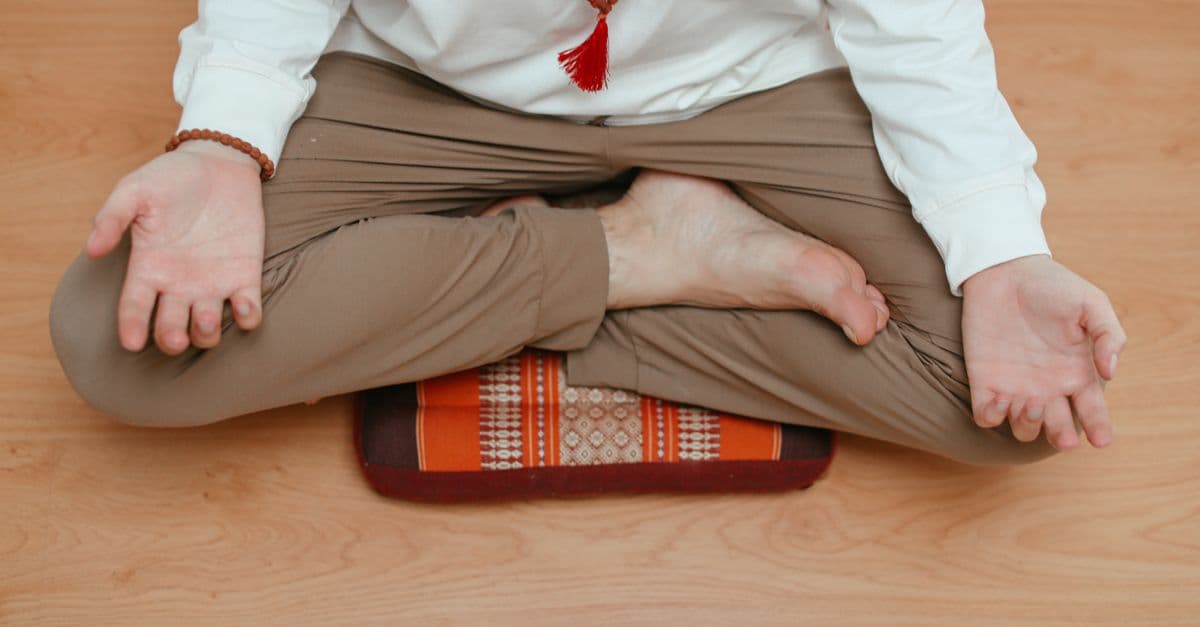
Mindfulness-Based Stress Reduction (MBSR) combines meditation, body awareness, and yoga to help you observe anxious thoughts and sensations without becoming overwhelmed by them. Research shows MBSR can significantly reduce anxiety symptoms and prevent relapse.
Lifestyle Interventions That Make a Difference
While lifestyle changes alone may not completely eliminate anxiety, they form an essential foundation for any comprehensive treatment plan and can significantly enhance the effectiveness of other interventions.
Regular Exercise: Aerobic exercise releases endorphins, reduces stress hormones, and can be as effective as medication for mild to moderate anxiety. Aim for 30 minutes most days of the week.
Sleep Hygiene: Anxiety and sleep problems create a vicious cycle. Establishing consistent sleep routines, limiting screen time before bed, and creating a calm sleep environment can significantly impact anxiety levels.
Nutrition: Limiting caffeine and alcohol, maintaining stable blood sugar through regular meals, and ensuring adequate intake of omega-3 fatty acids and B vitamins can help stabilize mood and reduce anxiety.
Stress Management: Regular practice of relaxation techniques like deep breathing, progressive muscle relaxation, or yoga can lower baseline anxiety and provide tools for managing acute symptoms.
Social Connection: Isolation exacerbates anxiety, while meaningful social connections provide support and perspective. Prioritizing relationships and seeking community can be powerfully therapeutic.
Emerging and Complementary Therapies
Several newer and complementary approaches show promise for anxiety management, though they're best used as part of a comprehensive treatment plan rather than standalone interventions.
Transcranial Magnetic Stimulation (TMS) uses magnetic pulses to stimulate specific brain regions involved in mood regulation. Originally approved for depression, TMS is showing promise for certain anxiety disorders, particularly when other treatments haven't been fully effective.
Biofeedback and Neurofeedback teach you to control physiological processes like heart rate and muscle tension by providing real-time feedback. These techniques can help you recognize and manage the physical symptoms of anxiety more effectively.
Acupuncture has shown effectiveness in some studies for reducing anxiety symptoms, possibly by affecting neurotransmitter systems and stress hormone levels.
Herbal Supplements like passionflower, lavender, and L-theanine have preliminary evidence supporting their anti-anxiety effects, though they should be used under professional guidance as they can interact with medications and aren't regulated like pharmaceuticals.
Creating Your Personalized Treatment Plan
There's no one-size-fits-all approach to managing anxiety. The most effective treatment plan typically combines multiple strategies tailored to your specific symptoms, lifestyle, and preferences.
Start by working with a qualified mental health professional who can conduct a thorough assessment and help you understand the type and severity of your anxiety. This evaluation will guide recommendations about which combination of medication (if appropriate), therapy, and lifestyle changes will be most beneficial for you.
If you're currently taking benzodiazepines and want to transition to other approaches, it's essential to work with your provider on a gradual tapering schedule. Abruptly stopping benzodiazepines can be dangerous and cause severe withdrawal symptoms. A carefully managed transition, supported by alternative treatments, provides the safest path forward.
Remember that managing anxiety is a journey, not a destination. The strategies that work best may evolve over time, and that's normal. Regular follow-up with your treatment team allows for adjustments and ensures you're getting optimal support.
Living with anxiety can feel overwhelming, but you don't have to face it alone—and you don't have to rely on medications with significant risks when safer, equally effective alternatives exist. Modern anxiety treatment offers hope for lasting relief through approaches that address root causes, build resilience, and restore your quality of life.
If you're ready to explore evidence-based alternatives to benzodiazepines, our team at Arlene Holland is here to guide you. We specialize in comprehensive anxiety treatment that combines the most effective pharmacological and psychological interventions, tailored to your unique needs and goals.